
Incident desk
Escalation matrix with RACI owners, 2-hour response SLA, and templated communications for buyers, QA, and regulators.
Bookings • filings • recoveries
Khan-trading assigns carrier, customs, and finance leads to the same lane. You see one chain of custody from booking reference to proof of delivery — with a single escalation path when weather, strikes, or FX move the goalposts.
Live ops KPIs
Across corridors: mirrored suppliers, pre-booked freight, automated recoveries.
Textiles, PPE, construction inputs, packaging, food labs, med & lab gear.
Layered QC, inline labs, and supplier coaching vs. typical industry baselines.
One escalation line for bookings, docs, compliance, financing, and government relations.
Modular stack
Market scans, rapid RFQs, vetting, onboarding, and scoring across active trade lanes — so sourcing decisions stay traceable.
Inline inspectors, lab partners, packaging and labeling playbooks, consolidation hubs — production reality, not slide promises.
Booking, routing, consolidation, and landed-cost control with mirrored carriers and clear exception ownership.
Country-of-origin, HS code, ESG, social audits, and a documentation command center tied to each SKU.
Supplier financing, currency protection, insurance corridors, and duty drawback — aligned with logistics, not siloed.
War-room dashboards, doc automation, API integrations, and collaborative runbooks your ops team can actually run.
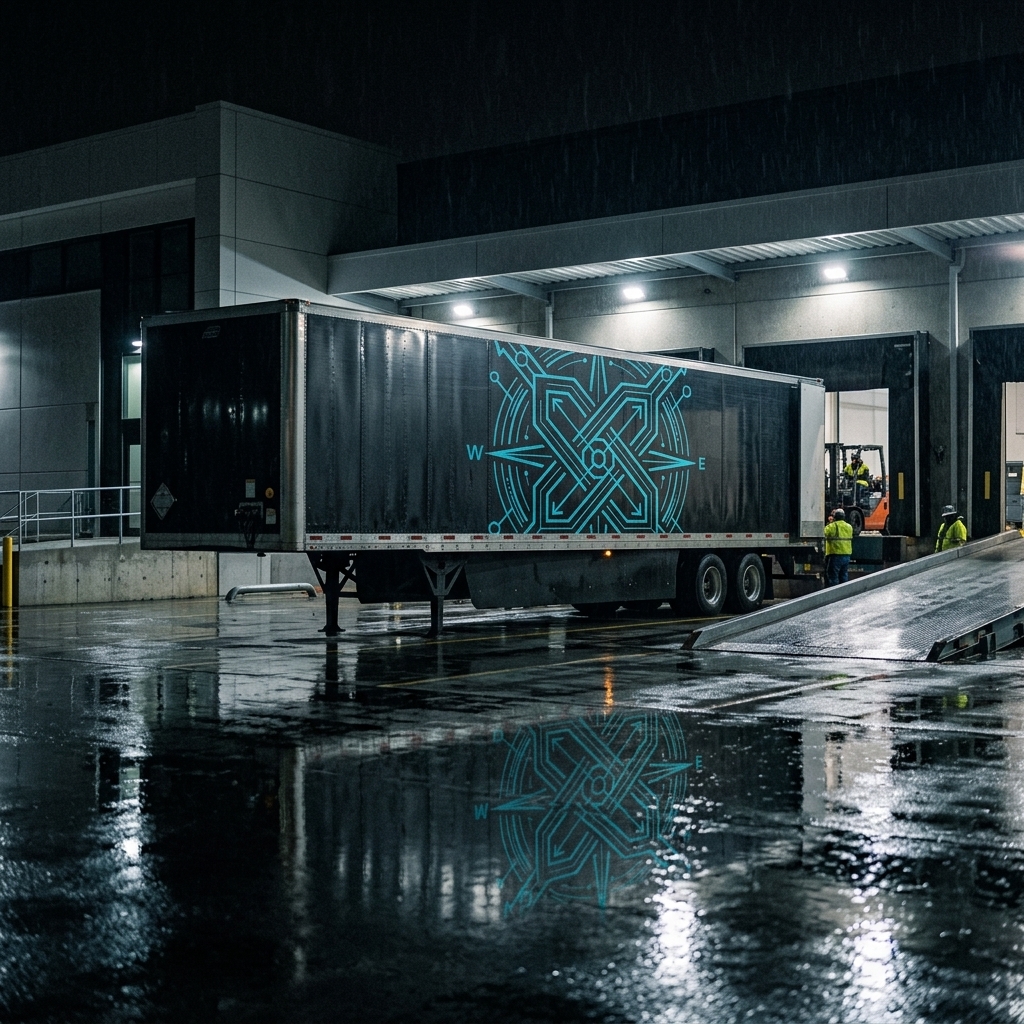
Execution, not slides
Modules and playbooks map to real cargo — holds, yards, and handoffs — before we touch the next lane lifecycle step.
Lane lifecycle
Intake KPIs, target SKUs, budget, compliance gates. Build mirrored supplier + logistics matrix.
Source + validate, negotiate, stage tooling, lock freight, wire recovery and QC budgets.
Execute orders, share dashboards, trigger inspections, monitor ESG, auto-generate docs.
Quarterly war-room: refresh playbooks, renegotiate lanes, recalibrate buffers, rollout new SKUs.
Escalation matrix with RACI owners, 2-hour response SLA, and templated communications for buyers, QA, and regulators.
Pre-authorized funds for expedites, remakes, and legal that keep shipments on schedule without extra approvals.
Automated monitoring of import bans, labeling changes, duty shifts, and ESG directives mapped to each SKU.
Scenario modeling for demand spikes, port closures, or supplier churn with recommended swaps and cost impacts.
Corridor coverage
Knit, woven, and technical fabrics with vetted mills — compliance paths aligned to FDA/CE and buyer requirements where they apply.
Stone, tiles, engineered panels, HVAC kits — on-site QC and staged releases so sites don’t stall on missing batches.
Food-safe packaging, corrugate, and private-label lines with lab partners and artwork automation — shelf-ready, not “almost”.
Diagnostics, disposables, and equipment mapped to MDR/ISO13485 with cold-chain orchestration and audit-ready trails.
Tenders, framework agreements, and offset programs with localized compliance and financing structures that survive review.
Multi-country store and e-commerce launches with SKU localization, labeling compliance, and replenishment that doesn’t fight the DC.
Track record
Services
Short intake on SKUs, lanes, KPIs, and compliance gates — then a phased plan: sourcing or carrier desk, QC and docs, and a control-tower view. No multi-month deck before first cargo.
Aligned ownership across booking, customs filings, finance, and exceptions — one escalation path with shared references instead of separate email threads per function.
SLAs are agreed per program and lane — mode, corridor, and product class drive what is realistic. We quote measurable targets (response, doc turnaround, milestone pings) in writing.
A named filings and compliance track tied to your SKU mix — regulatory radar, certs, and audit trails — with the same desk that sees logistics and finance, not a siloed “policy” team.
Yes. Many programs begin with a single lane or category, then expand once playbooks and buffers are proven.
Next step
Send us your BOM, KPIs, or biggest procurement headache. We’ll return a phased rollout with pods, dashboards, recovery budgets, and cost-to-serve model within a week.
Brief the team